Author: Lesley Ann Fogle

  • A New Orc State of Mind

    To say orc is a bit dramatic but technology is moving so fast. I thought things were challenging when analog went digital. Or when Pro Tools went HD. USB would like a word with Firewire and ethernet is still in the cord/dongle/adaptor pile. My basement is an audio gear graveyard. I almost started a nonprofit to host a museum of gear—because I like gear, properties, preservation, and nonprofits; and this industry keeps chasing me out of comfort zones and into deliberating over new streams of revenue. 

    Tools and Dependencies

    Now I’m trying to update my own website, which is not something I’m motivated to do as the topic of myself is not brand news. Posting about what is done may or may not lead to new clients or streams of income. But I have the WordPress theme locked-in blues. I staged full site editing but am not yet seeing an elegant method of relinking the past. There are good methods, but it feels like something better is just around the corner in light of the astounding tools appearing daily.

    Impression Management Coding

    I got to review vibe coding apps and could feel my hair move from the whisper of the gods. I fear them too, of course, and approached it with trepidation. The very term vibe code is swappy indeed; so imagine my surprise when one of my big ideas became an overnight reality. Do I lock in this idea and monetize? Or is everything leading to a career shift that answers what I want to do with my life now that so many of the skills I have learned in media can be economically replaced with text prompts. 

    I look back at my attempts to turn voiceover work into a model that could be supported outside a major city by adapting to long format narration. I practiced earnestly as my experience in pedagogy and vocal anatomy stepped forward: adapted appoggogio to drop-in breath, shifted mic technique to pocket breath, practiced pranayama to increase lung capacity at rest; listened to accents, tone, subtext, mannerisms, and got to the point where I could cold read on the fly, lock in characters once they spoke, and do this for hours without much need for edit. Then the narration model was essentially erased by AI. Here’s a quote I wrote before the reality hit me:

    “The work is challenging, steady, and exciting. You are never in the same place twice and constantly challenged with maintaining hyper focus on the story, the characters, the breath, inflection, and emotions. There’s an internal reward I did not get from the short sale of commercials. I love this work.”

    How naive. I regret nothing. But now too there seems little point in chasing composition, sound design, sonic restoration, or leveling up on video work. The tools that make that easy are everywhere now. Like many industries, mine has always been in constant flux. Small businesses and freelancers have operated in a constant state of diversification, adaptation, upskilling, reselling, new-skilling, cross-skilling, over-skilling, and general skilling. 


    But I never thought I’d see everyone face their fears of obsolescence. They are usually safe in domain-specific systems, often mistaking vertical hierarchies therein as relevant to other systems. 


    I get it. It took me years to get over these kind of systems that controlled my very sense of self and what to want from this gift of existence. The way through came from this: Now is the time to let art humanize us. This weekend I may record the city as a listening organism. Collect sounds as evidence of attention, labor, care, neglect, power, and memory. Score Billie Blake’s brothel bricks; the clatter of the pickax tracks—linear layers of crack and smite.

    EXT. DAY – STONEHENGE – DAY ONE.  

    VID: E.C.U. – STONE. SOUND: hear the truth bell ring of solid stone; or the false flat thud of quarry sap and inner crack. The rising pitch toward the finished edge, and the deep crunch shift before a split—

    we interrupt this mix for a client call.

    I should check my other email–oh look, 26 new emails: power struggle, power struggle—this one might be fun. Nope. This next one is talking from a kingdom far away that will soon fall from internal cracks; muffled dull noun says what? I’d comfort whatever anxiety is happening there but that often leads to people thinking you are the audience or work for them. Put enough of these folks in a room together and the resonance is an ambisonic, spatial god bark death knell.


    AI and Machine-Learning Sound Design Tools


    I lost my thread there and don’t have to get it back. I’ll likely harvest my own data here for a story; that’s usually what happens once a thing is thought out on (e)paper. I was getting back to the great disruptor with a guilty admission. I like the AI and machine-learning sound design tools. There, I said it. I do not want bots to just sound design the scene unless it means I can go work on my new City As A Living Organism idea or finish the next great American novel. But I like being able to change sonic materials without running down the hallway to fetch field gear. Choose thy stone material from the dropdown menu. Granite: ping; the vibrations travel up the anvil into my unyielding arm. That visual is crisp, metamorphic marble; tink tink, Michelangelo.


    “Perception is not a science of the world; it is the background from which all acts stand out.” ~ Phenomenology of Perception 


    When learning new things becomes uninteresting, I give it bursts of energy. This retains focused attention without lowering into a dulling frequency. Today, writing is a better use of my time than breaking out of this an old website theme. The tool will come to easily link and vamp old material without dwelling there. Instead, I direct energy into new branches, like selective pruning. I recently wrote a chapter where the character looked back; it was a struggle to avoid reminders of shared collective stories, such as looking back turning a person into a “pillar of salt.”

    What’s it called? You know the story. The one where Ado’s husband and her daughters were in the lead and she was turned into a pillar of salt. I forget his name. A lot of it is confusing, as the collective myth is a hodgepodge lark, possibly from Eurydice remaining in hell because Orpheus looked back. I wish these stories that become go-to metaphors for getting past rumination didn’t have such paralyzing consequences. Still, I’m with Eurydice on this one. Roll out the hero’s gurney.
     

  • Panels and Workshops, oh my!

    Panels and Workshops, oh my!

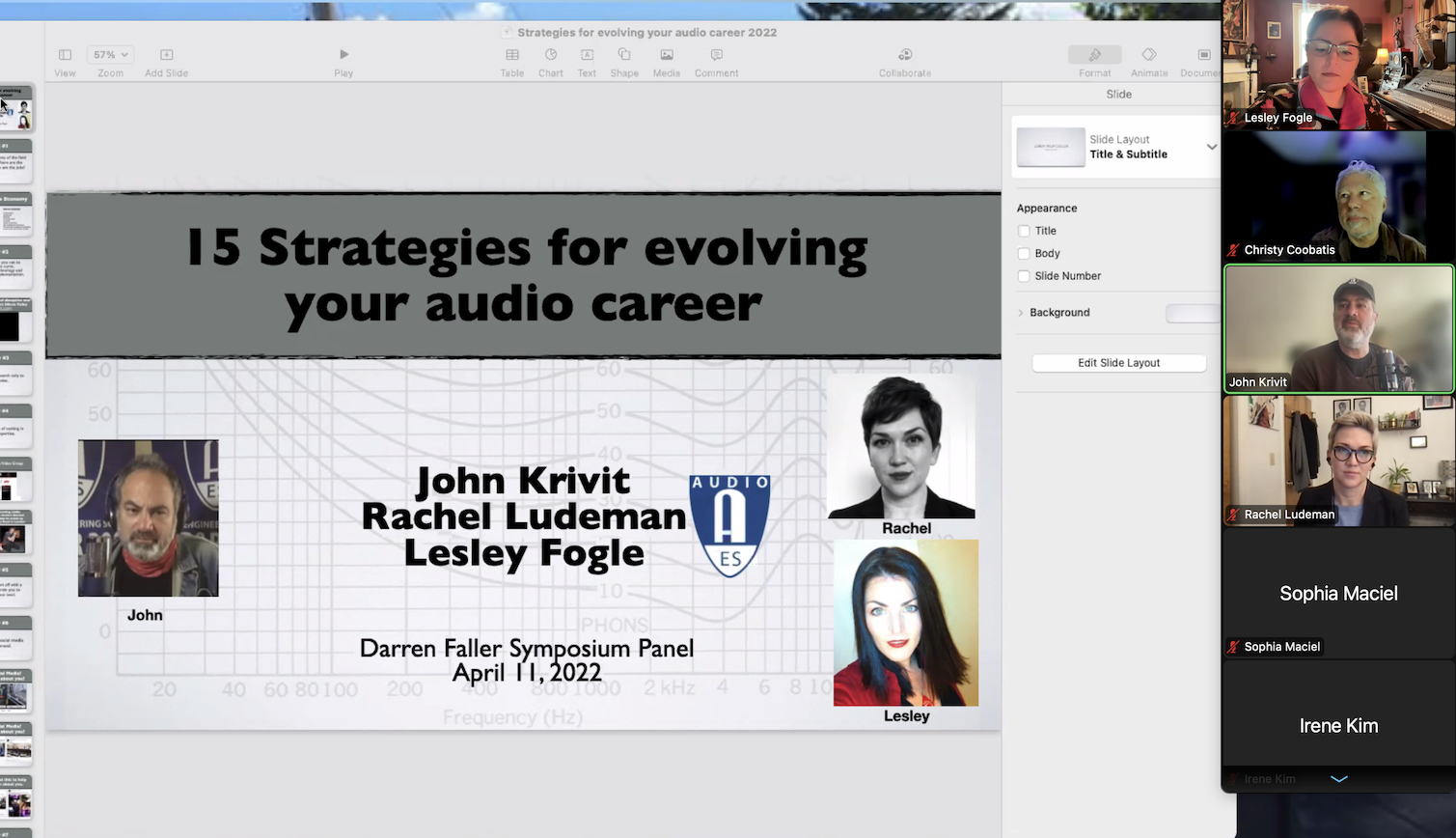
    I don’t get to update this site often. I work different projects every week, make music, work on AES Columbus’ site and newsletters, teach, write, practice, and attend a lot of workshops and panels. 

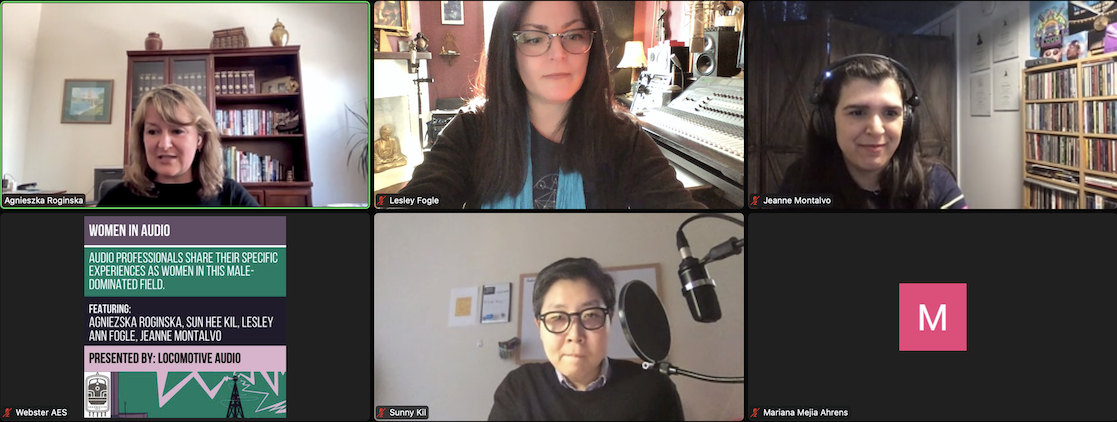
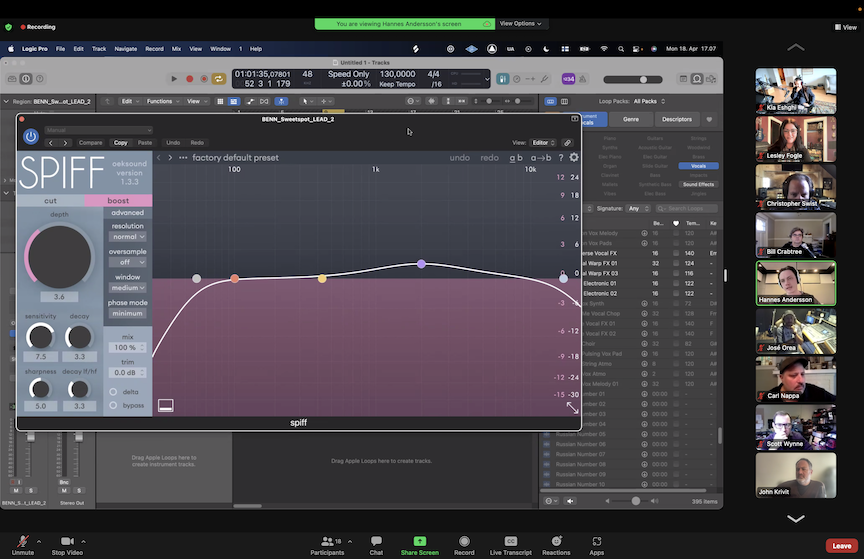
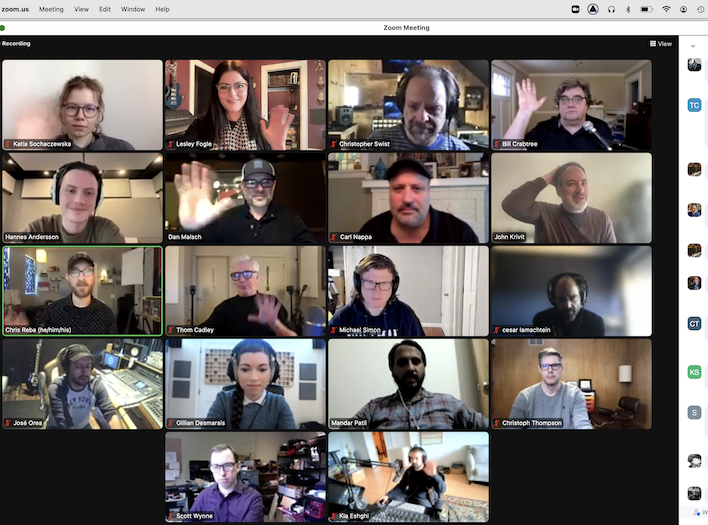
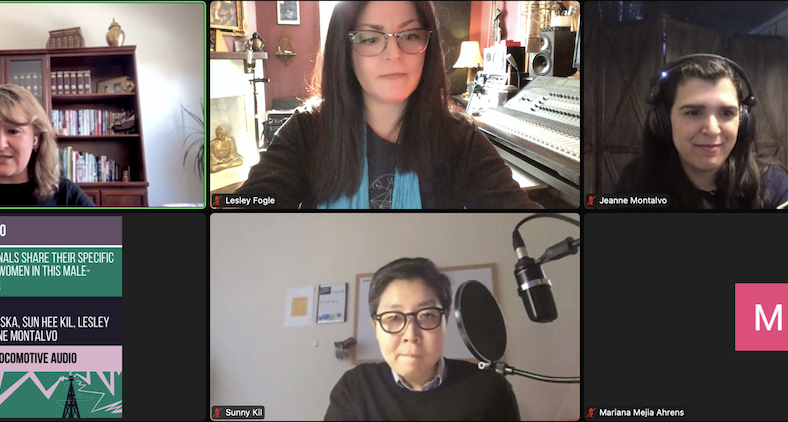
    Women in Media Panel at CRASS 2022

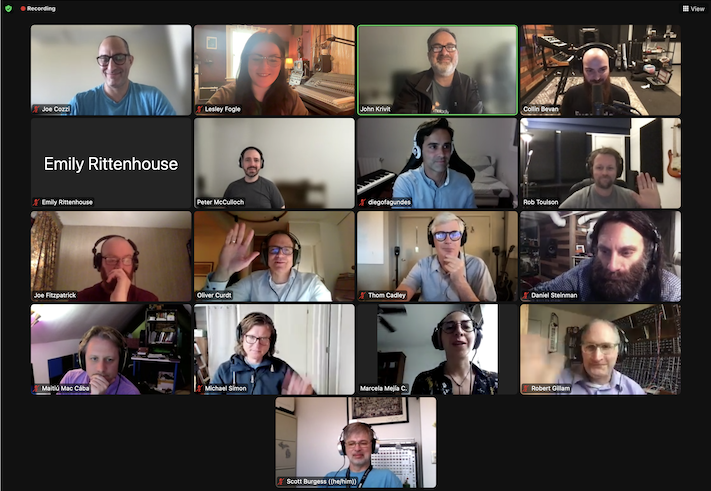
    I usually take a screenshot though and will have to make a collage one rainy day soon. This whole site needs overhauled and merged with my other site using one of those Hootsuite apps, or whatever they’re called. I could stand to work on a reel site and maybe swap out a few gigs. But, life is good. Technology is getting really good lately, isn’t it? I’m at my best when learning instead of pushing the same buttons every day.

  • Opera Project Columbus wins

    Opera Project Columbus wins Columbus’ biggest arts awards for organizations with budgets under $1 million dollars. Congratulations!

    It took me a while to post this–I am a one-person boutique with a lot happening. We’re all navigating this overwhelming pandemic. But I want to note this project as I look back over 2021.

    The content Opera Project Columbus programmed for Black History Month was choice. They chose from Rosephayne Powell’s art-song collection tribute to Phillis Wheatley. “I Want To Die While You Love Me” is wonderfully dark and the text to that is great lyric writing. Dr Battle did a soulful interpretation of Moses Hogans’ spiritual. The content choices, the singers, and the pianist were admirable. And I like that they had young Zion recite Langston Hughes’ “I, Too, Sing America” then ended the program with Margaret Bonds’ song portrait of the poem which Dr Bennett sang powerfully. She also beautifully sang “Since You Went Away” by Ohio’s own Leslie Adams. They really deserved this recognition from Greater Columbus Arts Council. Congrats to Leslie McBride, the Maestro, and all at CAPA and OPC!

    I was on the small nimble crew that created the “I Too, Sing America” video with Spyroll Studios. It wasn’t a grueling shoot with long setups, several takes, or edits—didn’t want to exhaust the singers. I sang opera a lifetime ago and was excited to handle sound. Love the promo shot with Dione Bennett in that cool nouveau headdress singing into my U87! Ai, ha. Lincoln Theatre graciously let me use their CL5 and opened their mic cabinet. Paul Kavicky made sure I got DPA 4099s from the Ohio Theatre. And Lincoln’s manager Jim hooked me up—I asked if I could hang a couple of Neumann KM185s from the catwalk and he climbed up there and did it! Just cool people interested in facilitating the best sound. I had plenty of options to do quick budget-minded post-production.

    Here is the award celebration video emceed by Angela Pace. Jump to 26:22 to hear about “I, Too, Sing America” and Opera Project Columbus!

    And please do check out the “I Too, Sing America” video, the soundtrack for which has been widely shared with schools.

  • Field & Post-Production Audio – Lesley Ann Fogle

    Field & Post-Production Audio – Lesley Ann Fogle
    Lesley Ann Fogle
    Here’s some of my recent field recording and post-production mix sound work. Well, the Highball video is from 2019…I did sound for the 2020 video as well but need to track down the link.
    I do several different jobs per week so have a lot of material but little time to work on reels. I grabbed these links to secure an upcoming job. Just hit me up if you’re looking for a specific genre of audio work for your job. Thanks!

    HGTV Hart Tools – Steve Ford
    Field Audio & Post-Production Audio – Lesley Fogle, Hear No Evil Sound

    Opera Project Columbus
    Field Audio & Post-Production Audio – Lesley Fogle, Hear No Evil Sound
    Lincoln Theater – What a fun project this was to record and mix the singers!
    I studied opera back in the day and I like to hear vocals mixed well without heavy-handed compression.


    Highball Halloween
    Field Audio & Post-Production Audio – Lesley Fogle, Hear No Evil Sound

    Action For Children – Childcare is Essential
    Field Audio & Post-Production Audio – Lesley Fogle, Hear No Evil Sound

    Jewish Columbus – Together We Shine 
    Field Audio & Post-Production Audio – Lesley Fogle, Hear No Evil Sound
  • Video demo – Boss WL-60 Wireless System for Performer Magazine

    Video demo – Boss WL-60 Wireless System for Performer Magazine

    Video demo – Boss WL-60 Wireless System for Performer Magazine

    Lesley Ann Fogle

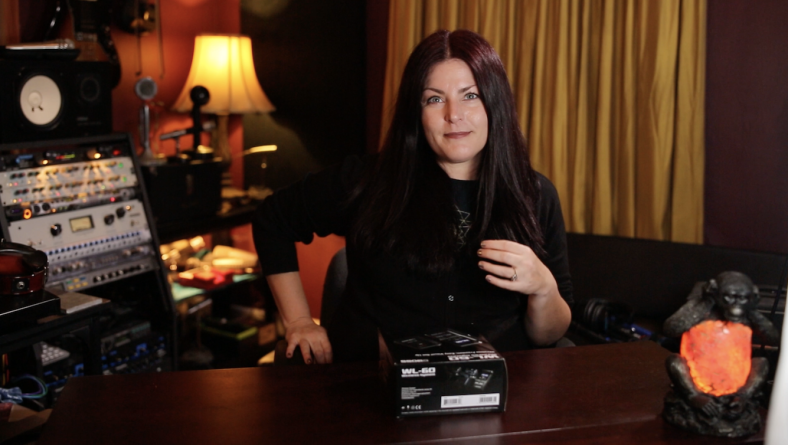
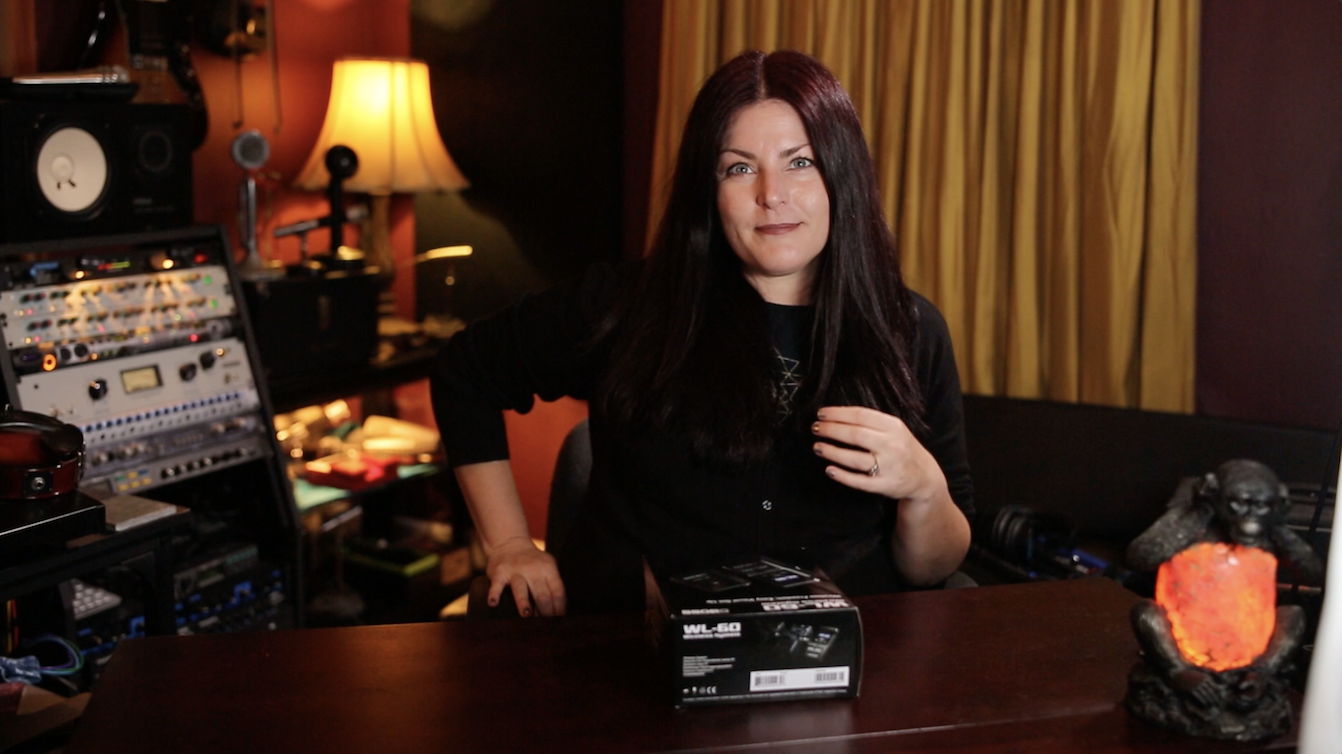
    One day I’ll figure out how to streamline my music, creative, and work websites. Use one of those social media aggregators. And even keep a current reel. But not today, Satan. I wrote about this on my After-Death Plan website. Might as well post the video demo Constantine and I shot here as well. We did this in a day. I think we’re going to do a pretty mic review next and take some time to make it a thorough mic shootout.


  • AES Convention and the Greater Columbus Arts Council

    I recently returned from attending the 147th AES Convention Oct-16th – 18th at the Javitts Center in New York. It was incredible! I haven’t felt this kind of excitement about my field in years! No one’s eyes glaze over at the topic of audio because EVERYONE was talking audio. Plug-ins, mics, DAWs, field solutions, workarounds. They’d lean in if you mentioned a tool that would be useful or a solution you hadn’t been able to crack. People were flinging out techniques and there wasn’t really room for anyone to try to dominate anything because there were thousands and thousands of people skilled in all different areas. What a high. This right here is why you put brainpower together.

    GCAC

    I really can’t thank GCAC, the Greater Columbus Arts Council, enough for awarding me a Professional Development Grant this year. At first I was I was aiming to work with Eddie Kramer for a week at Studios La Fabrique in the Mix With The Masters program. They approved me then I saw the grand total bill. As a freelancer in the Midwest, if I had $4,000 laying around, I would use it on audio gear. I opted for the convention for a few reasons including professional development but also checking out if this was the solution to a lack of affiliation for professionals here. It’s whole situation I’ll post about if the end goal turns out to be a thing. I use to go to conventions regularly when I lived in Chicago. I still attend any and all industry-related events here but there just are not that many. It’s depressing if I think about it too long. I should have continued these jaunts once I got my footing here years ago. Anyway, workshops first:

    “Opening Ceremonies / Awards / Keynote Speech” presented by AES President Agnieszka Roginska (New York University), Valerie Tyler (College of San Mateo), Jonathan Wyner (M Works Studios/iZotope/Berklee College of Music) and Keynote Speaker Grandmaster Flash. Awards to those who made outstanding contributions to the industry in areas of research and invention. Grandmaster Flash, an original voice of the hip-hop industry, shared some of his beat looping secrets and spoke of the changing face of music innovation and audio education.

    “Evolution of Album Production from Started to Finish” with Gloria Kaba (engineer), Heba Kadry (mastering engineer), and Simone Toress (vocal producer), moderated by Terri Winston of Women’s Audio Mission. Of course I attended the female-led workshops because my career grew in an environment that was 2% female. It is now at a whopping 5% females in the industry. This panel discussed workflow, tracking, mixing, and the production process.

    “Recording and Producing in Non-studio Spaces” presented by Keith Killen who engineered U2’s Unforgettable Fire album in a castle and Peter Gabriel’s So album in a converted cattle shed.This was moderated by Alex Case of the University of Massachusetts.

    “For the Record: Engineering Prince” moderated by Leslie Ann Jones of Skywalker Sound with Presenters Lisa Chamblee, Sylvia Massy, Peggy McCreary, and Susan Rogers. This panel discussion was organized by Women’s Audio Mission and, to my delight, featured the female engineers who worked on Prince’s records throughout his career.

    “The Loudness War is Over (If You Want It)” moderated by George Massenburg (Schulich School of Music, McGill University, Centre for Interdisciplinary Research in Music Media and Technology) and featuring panelists Serban Ghenea, Gimel “Guru” Keaton, Bob Ludwig (Gateway Mastering Studios, Inc.), Thomas Lund (Genelec), and Ann Mincieli (Jungle City Studios). This session covered the new face of the Loudness Wars, where engineers and producers hyper-compressed music so that it would play back louder than competing tracks. But with today’s streaming platforms, all music is normalized to standardized loudness levels. Unfortunately, the platforms (YouTube, Spotify, Bandcamp, Netflix, etc) have not agreed to a standard between one another but the specs are not too wide and hopefully AES can guide the industry to land on the same page and spare mastering engineers the time spent mastering for different platforms and save the musicians those costs.

    There were over 350 brands represented on the exhibit floor and I walk through each booth, trying out the products and speaking with the reps. It was especially interesting to considered how these tools might help music hobbyists, professional musicians, engineers, or schools. Most of the buzz this year was around Dante. Dante is a network protocol that isn’t new but more brands are incorporating the protocol into their products and therein lies the buzz. And of course Virtual Reality mixing held as a strong future trend.

    There were great products across the floor. I was really impressed with the ambisonic mics by Zylia which allows you to capture 360 degree audio. It’s actually 19 little digital mics in one unit. Access Analogue had an incredible idea and product where you can stream audio from your computer where it is processed and sent back in real time. And by processed, I mean run through expensive outboard audio gear controlled with robotic gears. So it’s cloud-based hardware for those who can’t afford $20,000 in outboard gear for $10 an hour. Genius. I could on about the products but basically there was a lot to learn.

    I spent some time at the Audio Builders Workshop which grew out of a Boston AES section of engineers. They design DIY kits with downloadable lesson plans for classroom and workshop groups to learn to build audio equipment. I think this is a smart tool for learning curriculums.

    Offsite, I attended the Island Records Anniversary 60th anniversary popup gathering at Dolby Atmos in SoHo. Here they showcased albums remastered in Dolby Atmos playing over 32 speakers. And later, a colleague gave us a tour of Sony where they actually calibrated my ears to listen to their 13.3 surround technology reproduced in headphones.

    The entire experience was a wonderful opportunity and I am very grateful for GCAC affording me the opportunity to reconnect with the professional community on a larger level. I did not realize how much I missed taking in this amount of collective knowledge and have since been planning to make AES convention and/or NAMM a regular annual event. I also took away renewed energy in regards to my own mixes which were at a good place but not necessarily influenced toward improvement. I feel like nothing beats awareness of what others in the arena are achieving. Reminds me of certain plants that will only grow as big as the container they are planted in.

  • Artist-In-Residency at ACPA

    Artist-In-Residency at ACPA, the Arts & College Preparatory Academy

    These days I start off my posts by saying that I am not able to update this site often. I do a new shoot or project every week with many irons in the fire. And of course creating art is a priority in my personal time. We do a decent job of keeping the After-Death Plan website and related social media updated…at the best of times.

    But I want to post about a couple of important things, my recent artist-in-residency at the Arts & College Preparatory Academy (ACPA) and also the wonderful Professional Development grant awarded to me by the Greater Columbus Arts Council.

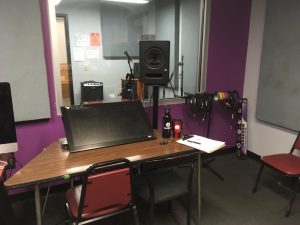
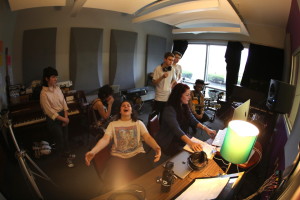
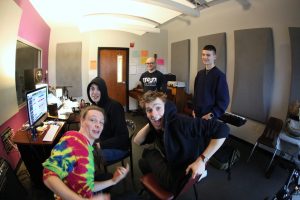
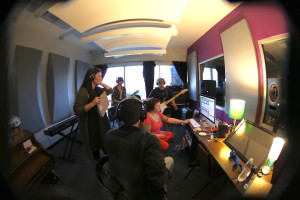
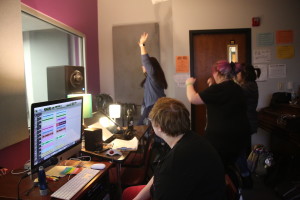
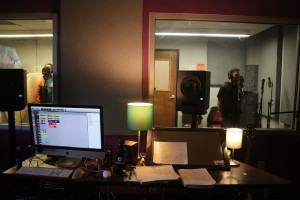
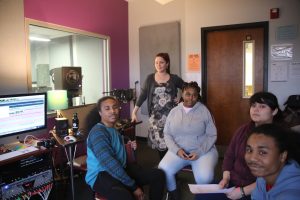
    First, the artist-in-residency: The grant was written by Ben Shinaberry at ACPA, the Arts & College Preparatory Academy, here in Columbus Ohio and awarded by the Ohio Arts Council. There is an excellent program at ACPA called Bandlab, taught by Noah Demand, where students form groups that study music, write songs, and practice consistently. The grant was to bring in an engineer/recording artist to record a song with each of the eight Bandlab bands comprised of 40 students.

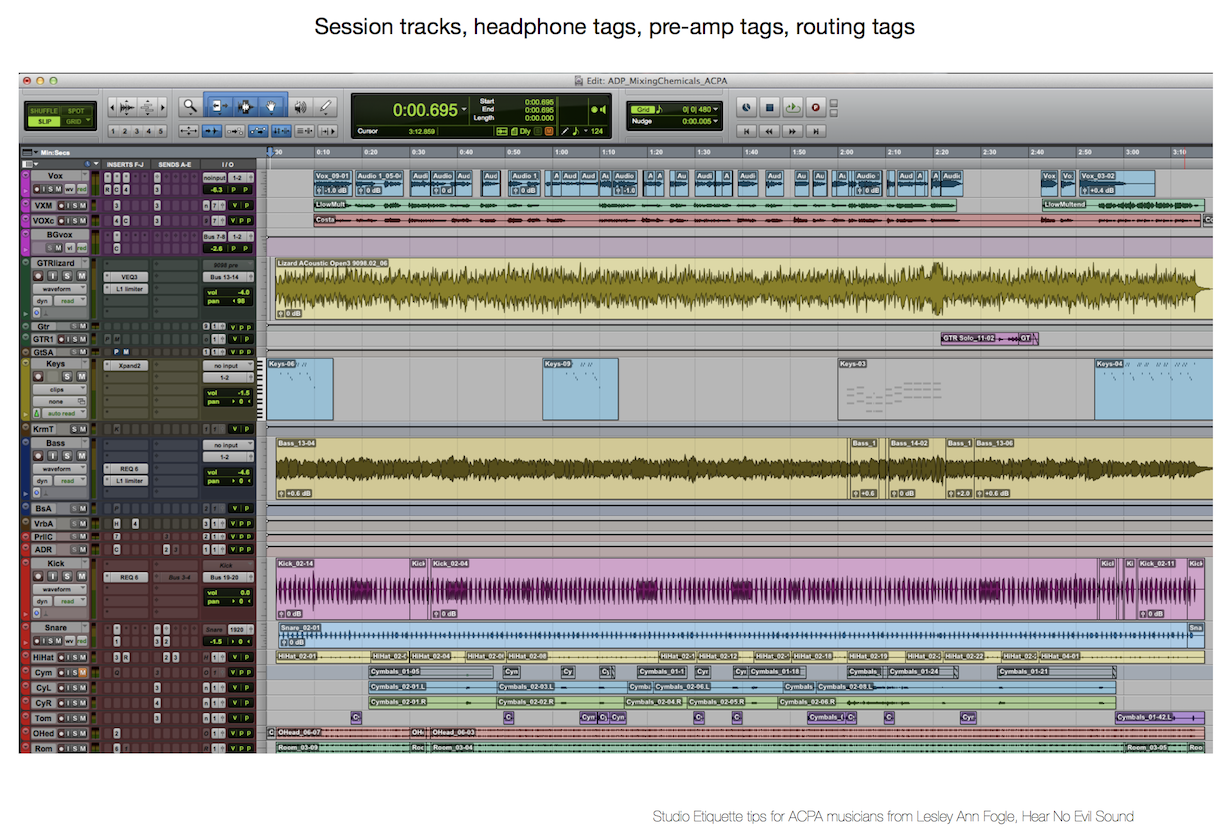
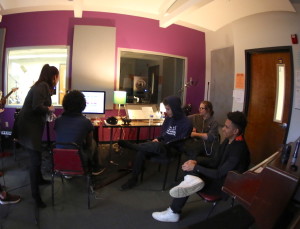
    We started with recording preparation sessions where I talked with students about what to expect during their time with me. Aided by some Song Description sheets I’d sent them to fill out, I met the students, gave them an overview of session protocol and the hardware/software we’d use, and talked about what to expect and how to get ready for their recording session. This as aided by informative visuals:

    Color Coding

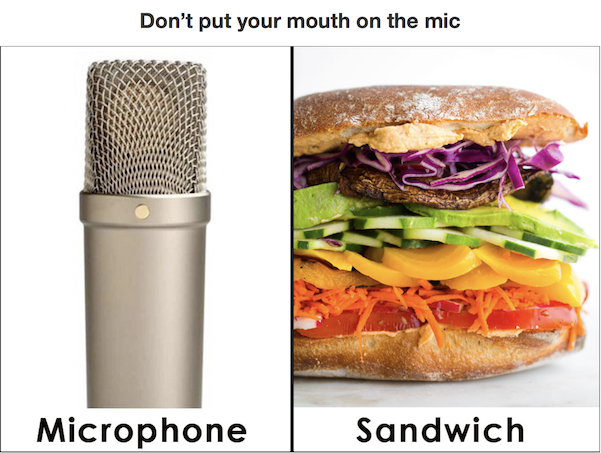
    And, at times, snarky visuals such as this one on sensitive studio mics:

    Microphone vs Sandwich

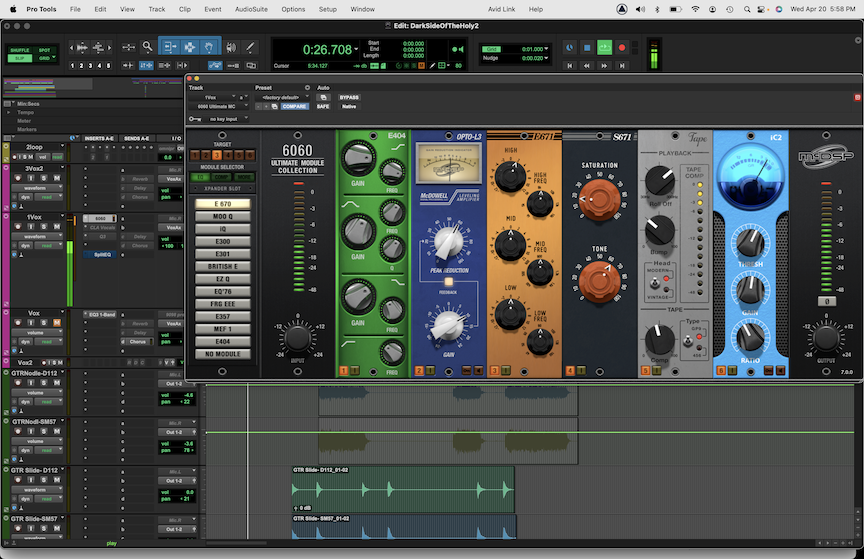
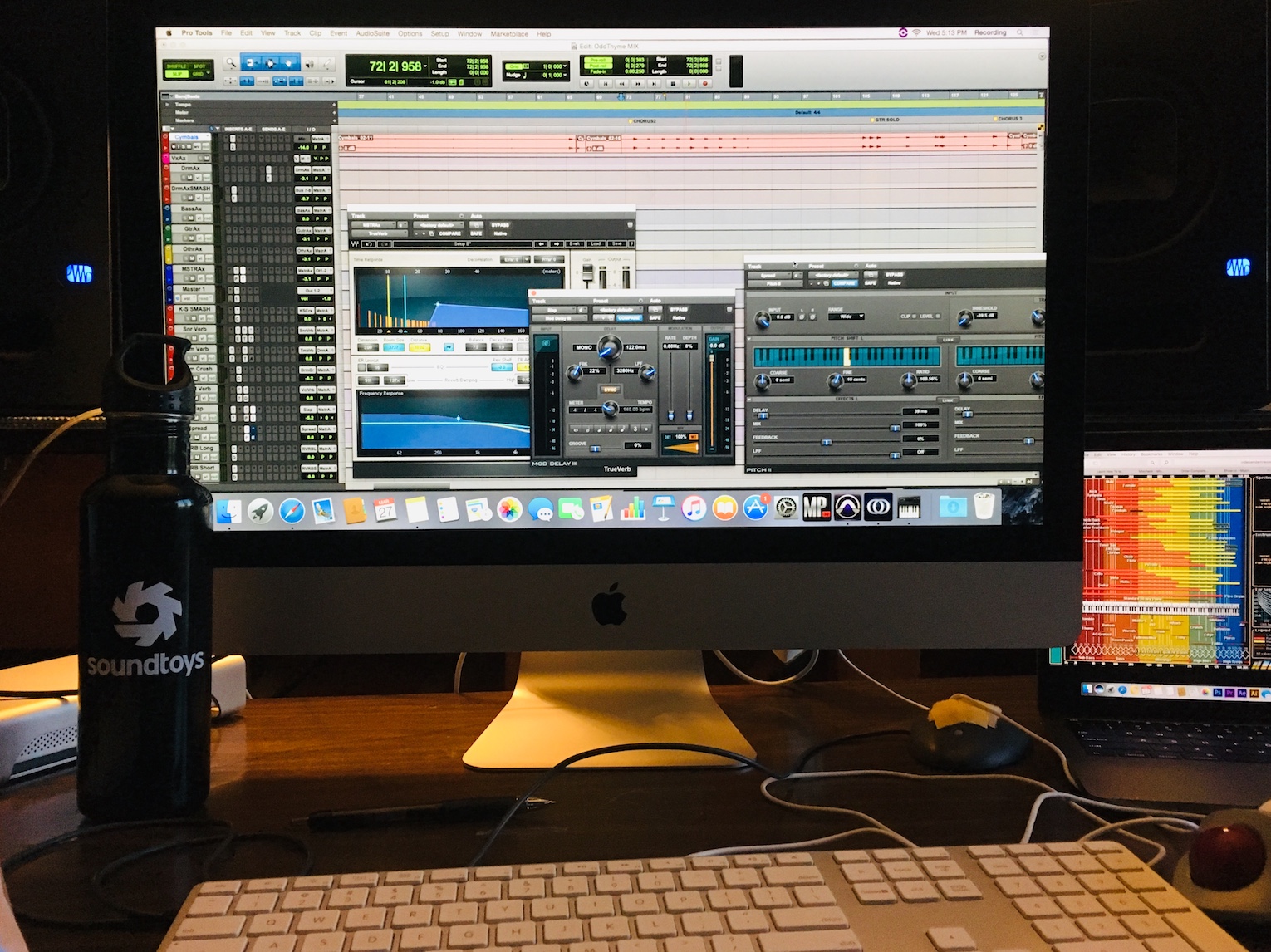
    I spent some time getting things organized: labeling snakes, setting up equipment, updating drivers, tweaking the Pro Tools session template, etc. We were set to go for the two weeks of tracking with a different band each day.

    During the prep session we’d made a list of students interested in engineering whether as a potential career or just to further their own music. Those students switched off in the engineer’s chair while I talked them through running the session. Each player connected their own cabling which was color-coded and corresponded to the patch bays, pre-amps, and session inputs; and worked with each other while we went through the lengthier process of dialing in everyone’s tone and levels. Being a whole new experience for most, we typically did quite a few takes before finding our working scaffold/take with the most solid drum foundation. Then, generally, we overdubbed or punched in any parts of instruments that needed work. From there we generally overdubbed the vocals to eliminate all of the drum and amp bleed from the original tracking. And from there we moved on to vocal mults and harmonies.

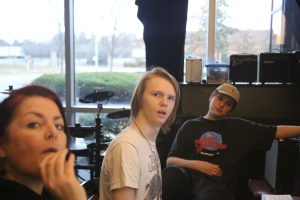
    This was a hands on, engaging experience. Different groups spent their time in different areas. One group built a blanket fort around the drum set to calm some of the room reflection, another lined the kick drum with carpet tiles, another spent the bulk of the tracking day re-arranging their song and making it stronger with better chord progressions, another focused on building both the chorus and hooks with instrumental and vocal overdubs, and another spent a large portion of time working on group vocals. One person declared they’d played the wrong chords at part of a song for months and even live because they could never hear themselves and everyone else simultaneously. And most of the singers had not used a condenser mic and were very interested in studio mic technique. I could go on and on here but the basic premise is that we came to these conclusions through discussion and the students learned a lot about technique and arrangement through this experience where every note was heard and permanently captured.

    That was about the entire school day for most of the groups though some of the groups were able to fit in some edit time after a crash course on editing. Honestly, we could easily have spent a week on concepts alone so these were action-packed days. And these Bandlab teens were all very talented and into recording the songs they had written.

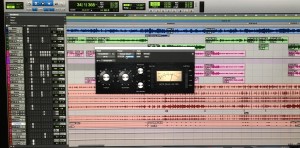
    We then moved on to mixing concepts with each of the eight groups. After rearranging the space a bit to get the monitors at ear level, I met with each group to discuss mixing concepts. Working wth their basic plug-in bundle, I imported some fx busses into their template so we could quickly activate any needed effects. We started with basic editing concepts then mostly started honing in on drum sounds individually and as a whole before incorporating the bass till the entire rhythm section gelled nicely. We went over the concepts of the frequency spectrum and where each person’s instrument sits in that spectrum in order to touch on EQ, panning, compression, delay, and the types of reverb. We touched on many mix concepts and though it takes time to train one’s ears, I hope this gave everyone the encouragement to keep experimenting with mixing.

    Parallel Compression
    Parallel Compression

    Vocal Treatment Choices
    Vocal Treatment Effects Options

    Then we moved on to finding placement and tone for the guitars and keys to sit in the mix before dressing up the vocal.

    That about summarizes the experience. Anyone who mixes knows you can work for weeks on an individual track while we created these recordings in a short amount of time. That said, the songs sound great and really don’t need to be tweaked further because there is no doubt that the next series of recordings will start st a level where these recording leave off…you know what I mean? The level of talent these young ones possess is eye-opening and I’m glad they were able to hear just how good their songs can sound in a controlled environment. I look forward to hearing the tracks assembled into an ACPA album! I’ll post info here when it’s released. It may not be mastered so crank it!

    I might also add that I wanted to take this opportunity to show female visibility to potential aspiring engineers. It took over a decade for me to see another woman working in post-production audio in the relatively large arena of Chicago. The number of women in the industry has apparently risen to a whopping 5%. I have some insight into why young women might be intimidated by this field and want to do my part in empowering future generations in going after their dreams. The inner voice is genderless.

  • Psycho Social Sexual by After-Death Plan

    Psycho Social Sexual by After-Death Plan

    Psycho Social Sexual by After-Death Plan

    ADP_Psycho Social Sexual

    Let me start by saying that I am not able to keep the work I do very current on this site. I go through a new shoot/project/scenario every week and keeping up with the work is priority. I’ve been threatening to take a week to update my reel but the time has not presented itself.

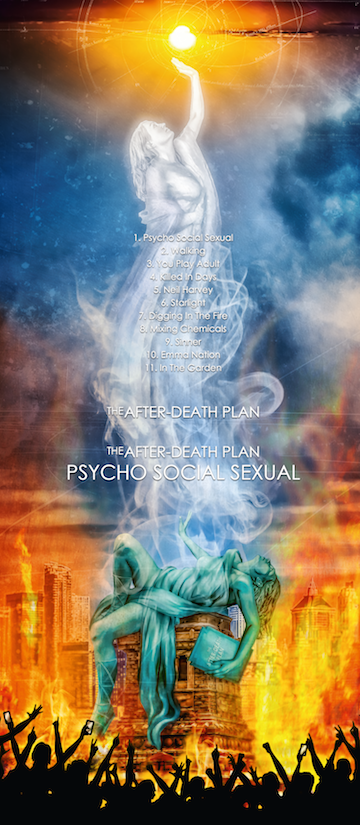
    But I do want to post about our new album and music videos. I updated a bit of my gear to record and mix this album. Mostly links will have to do here because we’ve already spent a lot of time creating and promoting this work. The new album, released January 15, 2019 is called Psycho Social Sexual. There is a considerable amount of info about it and press coverage of it on our website: www.afterdeathplan.com

    Our first video for the song Neil Harvey premiered Pure Grain Audio: https://puregrainaudio.com/videos/gothic-art-rock-duo-after-death-plan-leverage-video-to-share-the-dark-tale-of-neil-harvey-exclusive-premiere?fbclid=IwAR1a14zEO8hhQ8_0GC38iHps3SU3BgeeuAl-4HDiQVM-NSJuiX96hGMcEjo

    Followed by the second premiere of Psycho Social Sexual on Ghettoblaster Magazine: http://ghettoblastermagazine.com/video-premiere-after-death-plan-psycho-social-sexual/

    We released the next video, Starlight, ourselves: https://www.afterdeathplan.com/single-post/2019/01/20/Music-Video-for-Starlight-by-After-Death-Plan

    And Columbus Underground premiered the video for Walkinghttps://www.columbusunderground.com/local-music-spotlight-after-death-plan-gw1

    Time is pretty tight but best thing is to reach out to me if you’ve a professional project that needs sound or voice. I’m always open to a pitch on artistic projects as well. Worst case scenario is that someone will have listened and appreciated the concept.

  • After-Death Plan’s Literature officially outside the echo chamber

    After-Death Plan’s Literature officially outside the echo chamber.

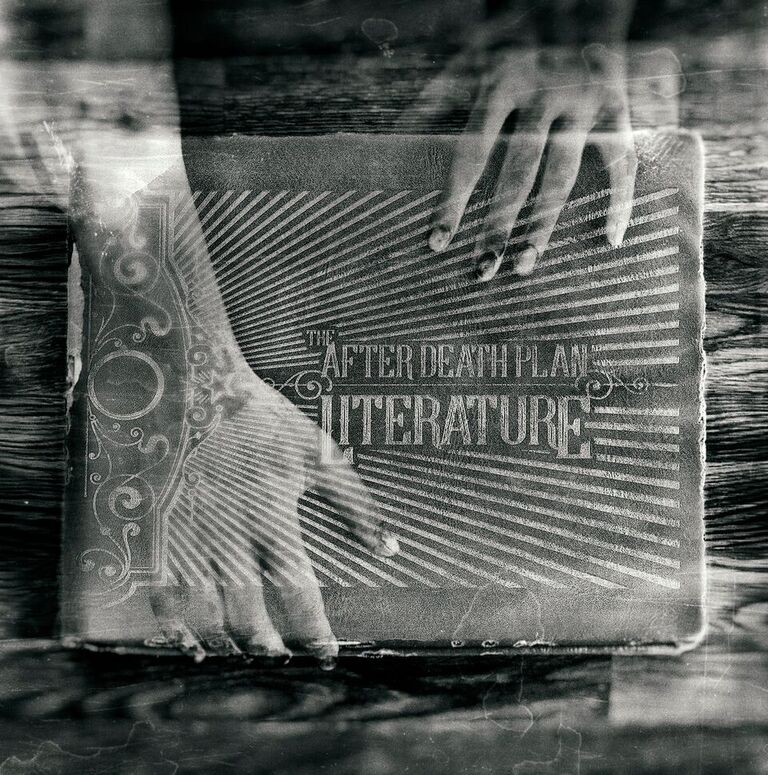
    After-Death Plan  Literature  We released our album Literature earlier this month. I’d sent preview copies to the usual Mal VU suspects and tried it out on a few new people I’ve come across in the industry. Got a lot of positive feedback especially from collectors who’ve lived through a wide range of music and a lot of the displaced 4AD veterans who like a bit of brain massage with their sound. I kept hearing “It’s on repeat in my car.” Even people from the old noise, garage, and punk scenes were finding appeal which is all very tender for a bunch of tough guys.

    We’d planned to hire some PR help with the album but the tail end of 2016 sucked so hard that it was amazing we were able to inch forward at all outside of life and work. So we’re just now storyboarding videos and sending Literature out for review. We have an interview and a podcast coming up but were pleasantly surprised to see our first review outside of the echo chamber and it’s an impressive one. Such a relief because this is a stylistically complicated album.

    The review comes from Fred Mills, the editor of the highly-respected Blurt music magazine.

    REVIEW:

    “Chicago duo After-Death Plan off-handedly describe their genre as “American Gothic Nous Rock,” which is befitting of an album titled Literature additionally accompanied by a user’s guide* to its literary influences. Fair enough—although I feel compelled add that ADP is so free-ranging and broad-reaching in its musical palette that adjective-adjective-adjective-noun categorization borders on the useless (if not outright hapless). Because this has to be one the most sonically adventurous and lyrically challenging releases to grace the still-young new year, the type of record destined to be mentioned by critics when they start chronicling their best-of-2017 picks at the end of the annum.

    It’s the brainchild of vocalist Lesley Ann Fogle, classically-trained and studio-schooled, and multiinstrumentalist Constantine Hondroulis, most recently heard with innovative Columbus combo Earwig (whose 2016 LP Pause for the Jets was reviewed right here at BLURT recently). Together, the pair conjure images both stark and expansive, foregrounding Fogle’s sultry purr ‘n’ coo—a cross between PJ Harvey and Sharon Van Etten, but one which can’t help to conjure analog ghosts of experimental muses of long ago—against an array of melodically riveting, rhythmically edgy, arrangements.

    There’s opening track “The Master & Margarita,” for example, a brooding slice of ‘50s-ish, Nick Cave-styled pop noir, which is quickly followed by the considerably strummier, yet no less dark, Americana that is “Devil Takes A Hand.” Two songs in, and we’re already thinking murder ballad territory. Ah, but we’d be thinking wrong. Soon enough there’s the luminous “Raygun,” with its gorgeous strings and neo-gospel choir of harmony vox; a thrumming post-punk-meets-power-pop rocker called “Memory Remains” that cements the aforementioned Harvey comparison; and, skipping all the way to the end of the album, “In The Sun,” a slice of neo-operatic provocation that crescendos towards a violent, Sonic Youthian climax that’s anything but ballad-like…READ MORE